


If you have ever picked up a soft, flowing blouse or a silky feeling dress and checked the label, chances are you have come across viscose fabric. It shows up everywhere, from fast fashion racks to high end boutiques, yet most people cannot explain what it actually is or why it feels the way it does.
Viscose fabric sits in an unusual middle ground. It starts out as wood pulp, something entirely natural, and ends up as a smooth, drapey textile that often gets compared to silk. That in between quality is exactly why so many shoppers get confused about whether viscose counts as natural or synthetic.
This guide walks through everything you need to know about viscose fabric. You will learn what it is made from, how it is produced, how it compares to other popular fabrics, and where it works best. By the end, you should be able to look at a viscose garment and understand exactly what you are wearing.
What Is Viscose Fabric
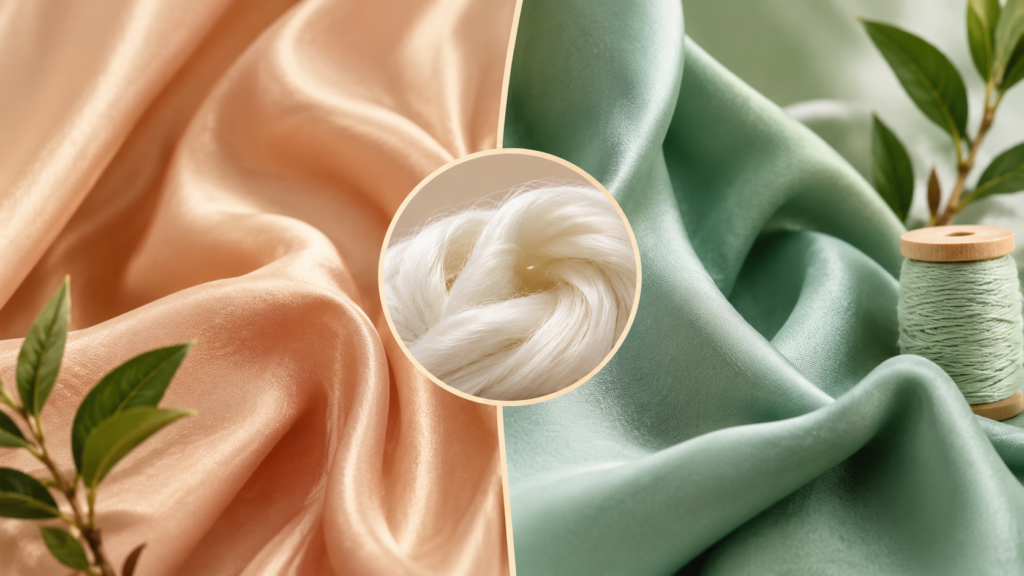
Viscose fabric is a soft, lightweight textile made from regenerated cellulose, which is a fiber derived from natural sources like wood pulp. Beech, pine, eucalyptus, and bamboo are among the most common sources used in production.
The fabric gets its name from the viscous, honey like liquid solution created partway through manufacturing. Once that solution is processed further, it becomes the smooth fiber that gets spun into yarn and eventually woven or knit into fabric.
Because viscose starts with a plant based raw material but requires heavy chemical processing to become usable fiber, it is classified as a semi synthetic textile. That single fact explains most of the confusion people have about this fabric, and it is worth understanding clearly before moving on.
How Viscose Fabric Is Made
The production process for viscose fabric involves several distinct stages, each one transforming the raw wood pulp a little further until it becomes a finished textile.
Step One: Sourcing The Cellulose
Manufacturers begin with wood chips from fast growing trees such as eucalyptus, pine, or beech. Bamboo is also used in some production lines. These raw materials are chosen partly for their availability and partly because they regenerate relatively quickly compared to other resources.
Step Two: Creating The Pulp
The wood chips are cooked and treated with chemicals to break down the material and extract pure cellulose. This step removes lignin and other plant compounds, leaving behind a refined cellulose pulp.
Step Three: Forming The Viscose Solution
The purified cellulose is treated with sodium hydroxide and then reacted with carbon disulfide. This creates a thick, syrupy solution known as viscose, which gives the fabric its name.
Step Four: Extruding The Fibers
The viscose solution is forced through tiny holes in a device called a spinneret, much like squeezing dough through a pasta press. As the solution passes into an acid bath, it solidifies into fine, continuous filaments.
Step Five: Spinning Into Yarn
Those filaments are washed, stretched, and cut before being spun into yarn. From there, the yarn can be woven or knitted into the finished fabric you would recognize on a store shelf.
This entire process, while chemically intensive, is what allows viscose to achieve its signature silky texture and fluid drape, qualities that are difficult to replicate with fully synthetic fibers like polyester.
Is Viscose Fabric Natural Or Synthetic
This is probably the most common question people ask, and the honest answer is that viscose fits into neither category perfectly. It is best described as a man made cellulosic fiber.
The raw material, wood pulp, is completely natural. However, turning that pulp into usable fiber requires significant chemical treatment, which is why viscose cannot be classified as a purely natural fabric like cotton or linen.
At the same time, viscose is not a fully synthetic fabric either, since materials like polyester and nylon are derived from petroleum rather than plants. Viscose occupies the middle ground, and textile experts typically place it in its own semi synthetic category alongside modal and lyocell.
Viscose Versus Rayon: Clearing Up The Confusion
Many shoppers assume viscose and rayon are two different fabrics, but that is not quite accurate. Rayon is actually the broader category, and viscose is the most common type of rayon produced today.
Other types of rayon include modal and lyocell, both of which use similar cellulose based processes but differ in their chemical treatment and environmental footprint. Lyocell, for example, uses a closed loop production method that recycles most of its solvents, making it a more sustainable alternative.
So when you see a label that says rayon, there is a good chance the fabric inside is technically viscose, since the terms are frequently used interchangeably in the fashion industry.
Key Properties Of Viscose Fabric
Understanding the core properties of viscose helps explain why it has remained so popular across fashion, home decor, and even industrial applications.
- Soft and smooth texture that feels gentle against the skin
- Excellent drape, allowing garments to flow rather than hold a stiff shape
- Strong dye absorption, resulting in vivid, long lasting colors
- Breathable and moisture wicking properties similar to cotton
- Lightweight construction that suits warm weather clothing
- Low resistance to static cling compared to many synthetic fabrics
These characteristics are the reason viscose often gets compared to silk. It offers a similar look and feel at a fraction of the cost, which has made it a staple in affordable fashion for more than a century.
Advantages Of Viscose Fabric
Viscose brings a lot to the table, especially for brands and consumers who want a fabric that looks luxurious without a luxury price tag.
Its breathability makes it comfortable for warm climates, while its absorbency helps wick moisture away from the skin. The fabric also takes dye exceptionally well, which is why viscose garments often display richer, more saturated colors than many other textiles.
Another underrated advantage is versatility. Viscose blends easily with other fibers, including cotton, polyester, and spandex, allowing manufacturers to fine tune the final fabric for stretch, durability, or texture depending on the intended use.
Disadvantages Of Viscose Fabric
No fabric is perfect, and viscose does come with a few notable downsides worth considering before you buy or sew with it.
Viscose tends to lose strength when wet, which makes it more prone to stretching, sagging, or even tearing during washing if not handled carefully. It also wrinkles easily and can shrink if exposed to high heat, whether from washing or drying.
Because of these sensitivities, many viscose garments require dry cleaning or very gentle hand washing, which can add cost and effort compared to fabrics like cotton or polyester that tolerate machine washing without much fuss.
Common Uses For Viscose Fabric
Viscose shows up in a surprisingly wide range of products, thanks to its versatility and appealing texture.
In fashion, it is a favorite for blouses, dresses, skirts, and linings, where its drape and softness create flattering, comfortable garments. Designers also use it in scarves and loungewear for the same reasons.
In home decor, viscose appears in curtains, upholstery, and decorative pillows, where its silky sheen and ability to hold dye create rich, elegant finishes for interior spaces.
In industrial applications, viscose fibers are used in products like tire cords, medical dressings, and certain nonwoven materials, showing just how far this fabric extends beyond clothing racks.
Viscose Compared To Other Popular Fabrics
Choosing between fabrics often comes down to understanding how they stack up against one another in practical terms.
Viscose Versus Cotton
Cotton is a fully natural fiber that tends to be more durable and easier to care for than viscose. Viscose, however, offers a smoother texture and better drape, making it a popular choice when a flowing silhouette matters more than everyday durability.
Viscose Versus Silk
Silk remains the luxury benchmark for softness and shine, but it comes with a much higher price tag. Viscose was originally developed as an affordable silk alternative, and it still fills that role today for shoppers who want a similar look without the cost.
Viscose Versus Polyester
Polyester is fully synthetic, more durable, and far more resistant to wrinkles and shrinking than viscose. On the other hand, viscose is more breathable and generally feels more comfortable against the skin, especially in warm weather.
Viscose Versus Modal And Lyocell
Modal and lyocell are both types of rayon, similar to viscose, but they are produced using more environmentally conscious methods. Lyocell in particular is known for using a closed loop system that reduces chemical waste, giving it an edge for shoppers focused on sustainability.
How To Care For Viscose Fabric
Proper care makes a real difference in how long a viscose garment lasts, since the fabric is more delicate than many alternatives.
- Check the care label first, since some viscose items require dry cleaning only.
- If hand washing is allowed, use cold water and a mild detergent.
- Avoid wringing or twisting the fabric, since it loses strength when wet.
- Lay the item flat to dry rather than hanging it, to prevent stretching.
- Iron on a low heat setting, ideally while the fabric is still slightly damp.
Following these steps helps prevent the shrinking, stretching, and color fading that viscose can be prone to if it is treated the same way you might treat cotton or polyester.
How To Identify Quality Viscose

Not all viscose fabric is created equal, and learning to spot quality can save you from disappointment after a purchase.
Higher quality viscose tends to have a denser weave and a smoother, more consistent surface. When you rub it between your fingers, it should feel soft without immediately pilling or fraying at the edges.
Weight also matters. Lightweight viscose, often called viscose challis, suits flowy summer dresses, while a heavier viscose twill holds up better for structured garments like trousers or jackets. Checking the fabric weight against its intended use is one of the simplest ways to judge whether a piece will perform well.
Is Viscose Sustainable
Sustainability is where viscose faces the most criticism, and it is a fair conversation to have. Traditional viscose production uses large amounts of water and chemicals, including carbon disulfide, which can pose environmental and health concerns if not managed responsibly.
However, the industry has been shifting. Newer production methods, along with certifications tied to responsibly sourced wood pulp, have led to more eco conscious versions of viscose entering the market. Brands increasingly disclose sourcing details, and shoppers who care about sustainability can look for certifications or transparent supply chain information before buying.
Choosing lyocell or modal instead of standard viscose is another option for anyone prioritizing a lower environmental footprint, since both use less resource intensive production methods while still offering a similar look and feel.
Conclusion
Viscose fabric earns its popularity honestly. It delivers a soft, silky feel and a beautiful drape at a price point that natural fibers like silk simply cannot match. Understanding that it sits between natural and synthetic, thanks to its plant based origin and chemical processing, clears up most of the confusion shoppers run into.
Whether you are choosing a flowy summer dress, shopping for new curtains, or simply trying to understand a fabric label, knowing how viscose is made, how it compares to other materials, and how to care for it properly will help you get the most out of every piece. With a bit of attention to washing and storage, viscose can remain a comfortable, attractive part of your wardrobe or home for a long time.
Frequently Asked Questions
Is viscose fabric good for hot weather?
Yes. Viscose is breathable and lightweight, which makes it a comfortable choice for warm climates and summer clothing.
Does viscose fabric shrink in the wash?
It can, especially if washed in hot water or dried on high heat. Cold water hand washing and flat drying help reduce the risk.
Is viscose the same thing as rayon?
Viscose is the most common type of rayon, so the terms are often used interchangeably, though rayon technically includes other varieties like modal and lyocell.
Can viscose fabric be machine washed?
Some viscose blends tolerate a gentle machine cycle, but many require hand washing or dry cleaning. Always check the care label before washing.
Is viscose fabric a good silk substitute?
Yes. Viscose was originally created as an affordable alternative to silk, and it still offers a similar soft texture and elegant drape at a much lower price.
